A personal CD catalog
Modern solution —for a modern collector.
Scan a barcode and the disc is filed exactly — label, pressing, catalog number, credits, via Discogs. Then browse your shelf the way you’d browse a record bin: by hand.
Free to start · no spreadsheets involved
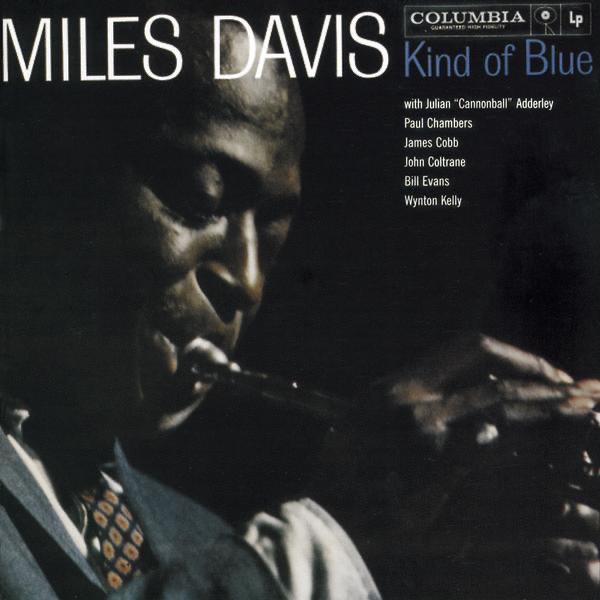
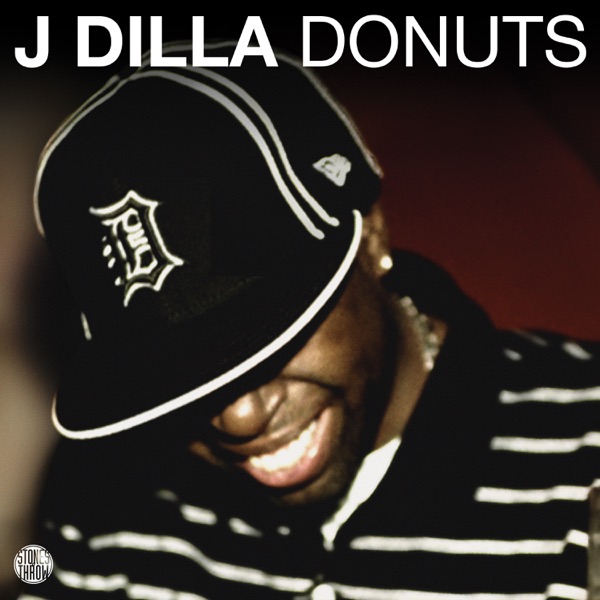
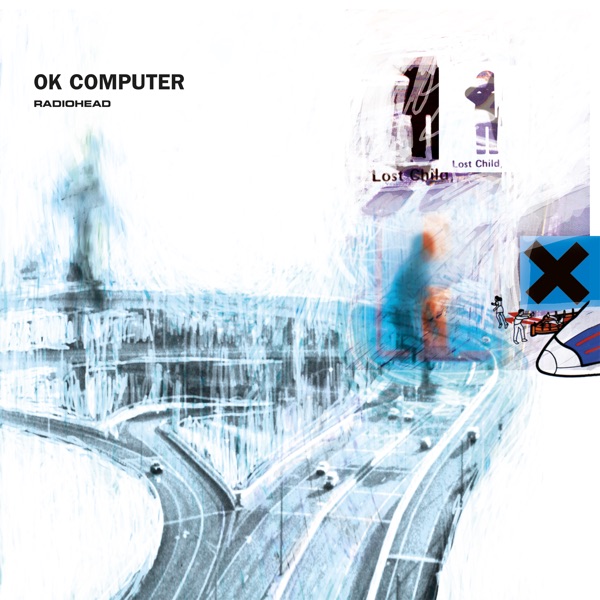
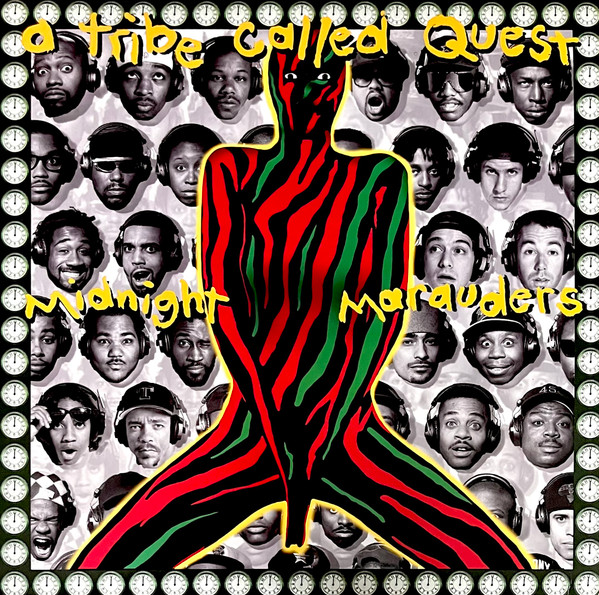
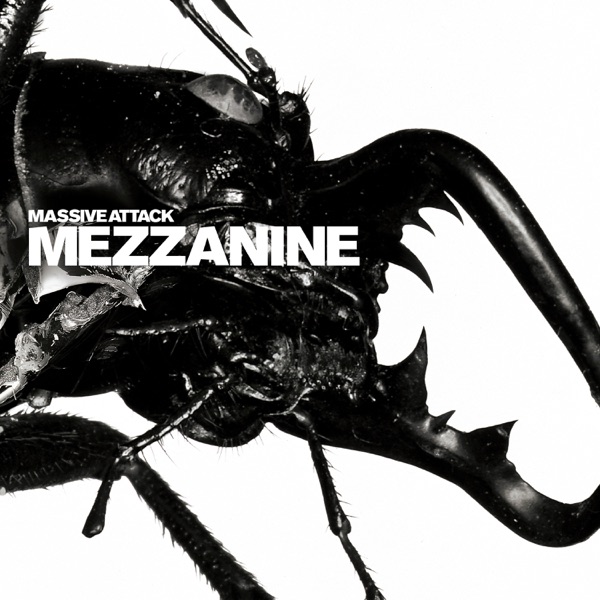
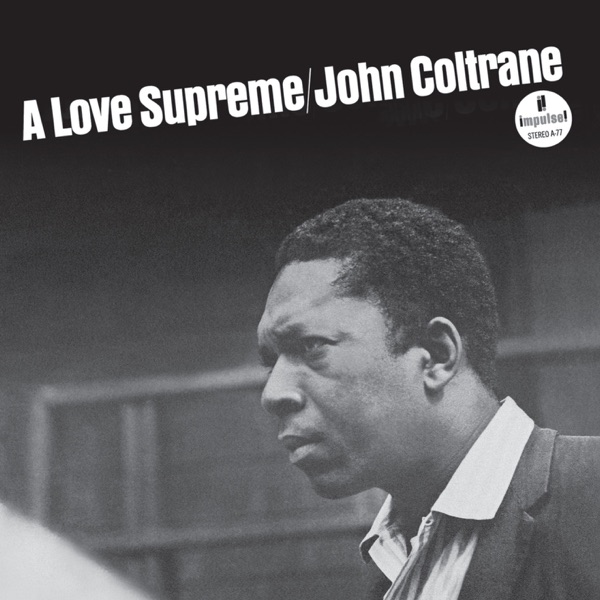
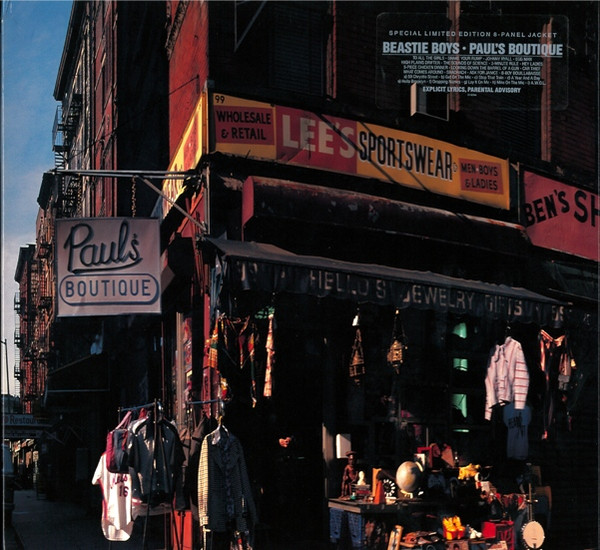
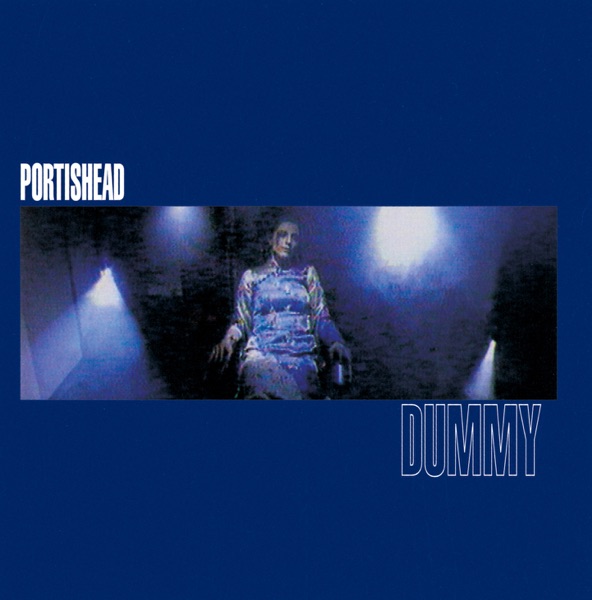
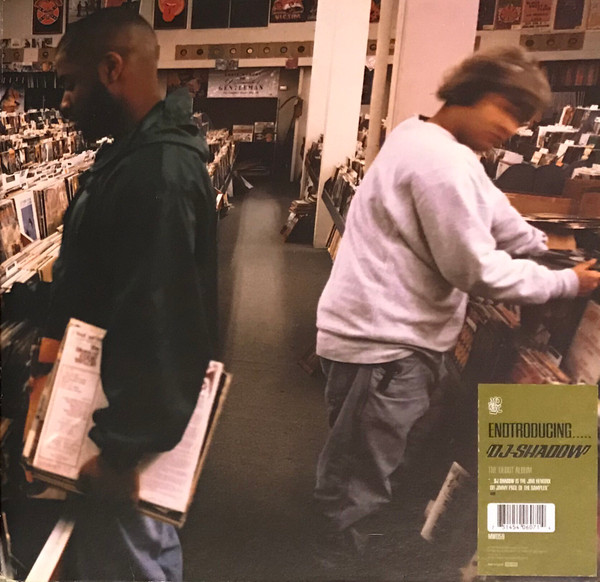
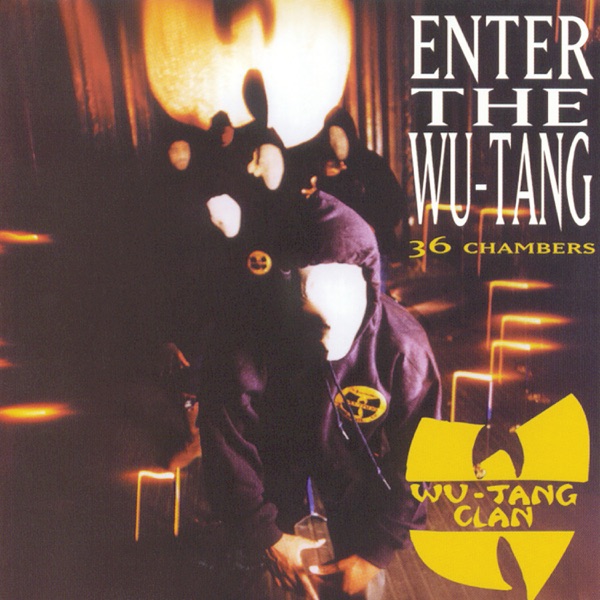
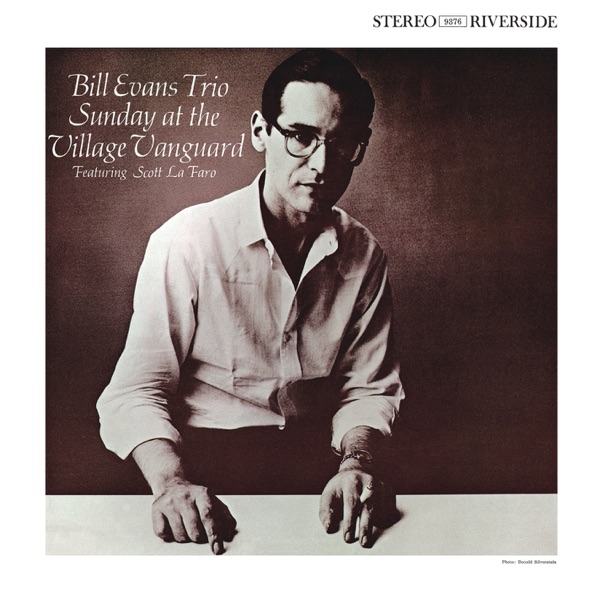
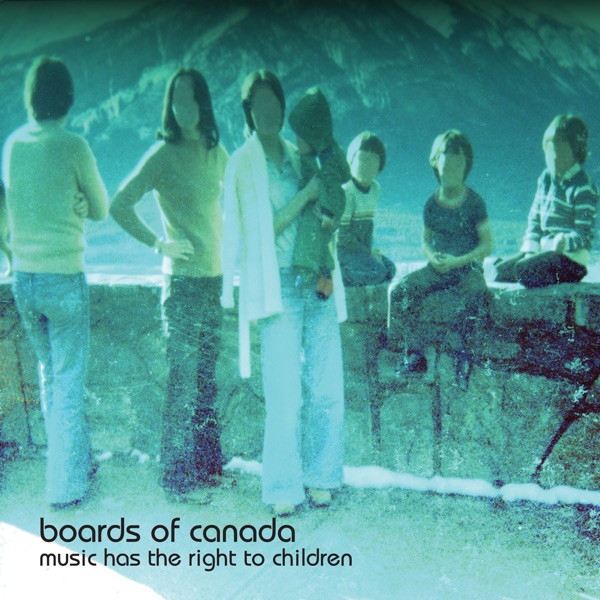
One shelf, three looks — covers · crate · catalog
01 — Scan & add
Point your phone. It’s filed.
Scan the barcode — or the cover, when the barcode has worn off — and The Crate matches it on Discogs: the exact pressing, with label, catalog number, year and credits.
Via Discogs · exact pressing · no typing
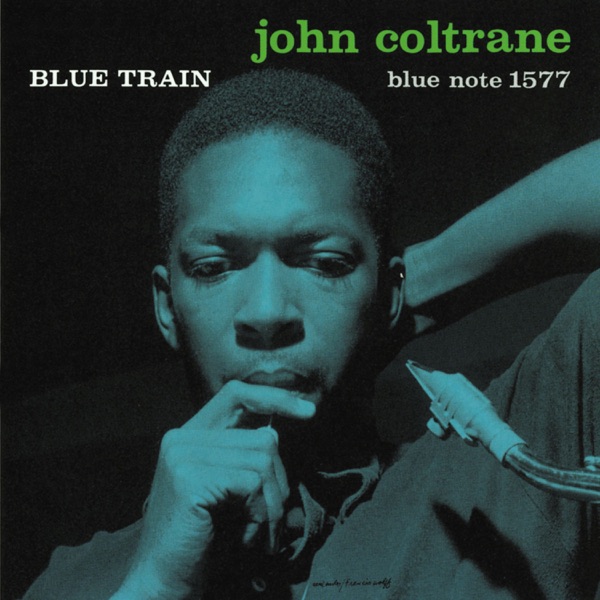
02 — Explore
Follow the thread past your shelf.
Every genre you own sits on a map of what it grew from and where it went next. Open one, and its wall of essential records shows how deep you’ve dug — and what’s still out there.
Genre map · canon walls · coverage
03 — Stacks
Liner notes, with citations.
Stacks is the research shelf: entries on artists, scenes and lineage that link into one another and cite their sources — liner notes written by a careful librarian.
Wikilinks · cited sources
Bristol and the Slow Beat
When Blue Lines arrived in 1991, the press called it hip-hop at half speed. It was closer to dub played through an English winter — soundsystem weight, soul voices, no hurry.1
Trip-hop was never a plan. It was a neighbourhood — the Wild Bunch soundsystem, one studio, and a decade of patience.2
04 — Wishlist & lists
The hunt, and crates within the crate.
A wishlist holds the ones you're hunting down. Named crates group the ones you have — a label run, a mood, a decade. Your shelf, your order.
Hunting list · named crates
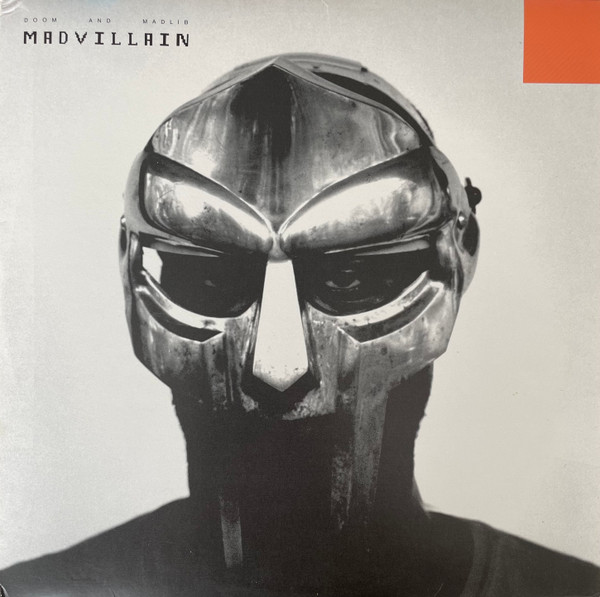
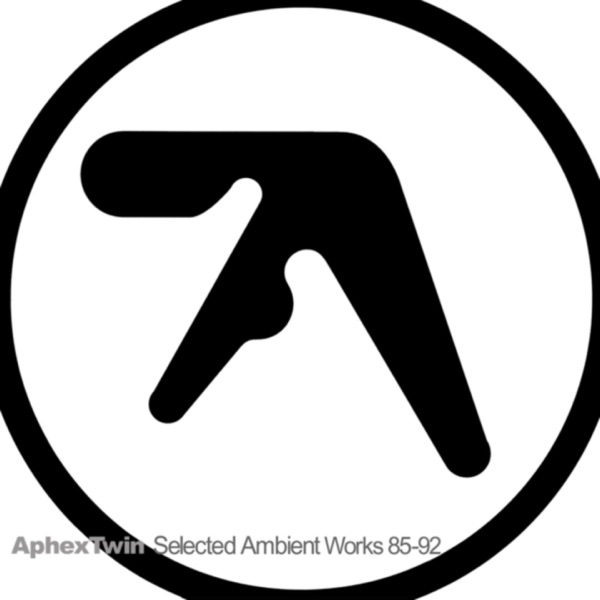
The shelf is waiting
Every collection starts with one disc.
Scan it tonight — the whole world it came from is already in here.
Free to start